BACK Blog

Vegetables to Plant for a Winter Harvest

As the heat of summer fades and the cool breezes of autumn begin to sweep across Australia, it's time to get your vegetable garden ready for a productive cool season. Whether you're an experienced gardener or just starting out, this guide will help you transform your garden into a thriving winter oasis.

Winter gardening might seem challenging, but it’s actually the perfect time to grow a variety of hardy vegetables. Many winter crops thrive in the cool weather, developing richer flavours and producing bountiful harvests. Whether you’re looking to grow leafy greens, root vegetables, or nutrient-packed brassicas, here are the top vegetables to plant now for a thriving winter garden.

The Best Vegetables to Plant for a Winter Harvest

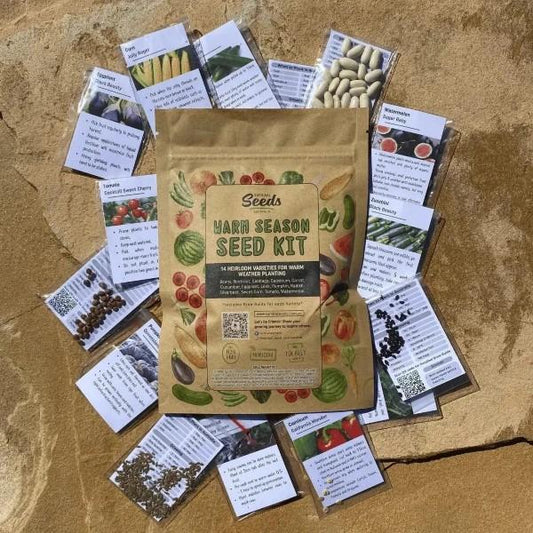
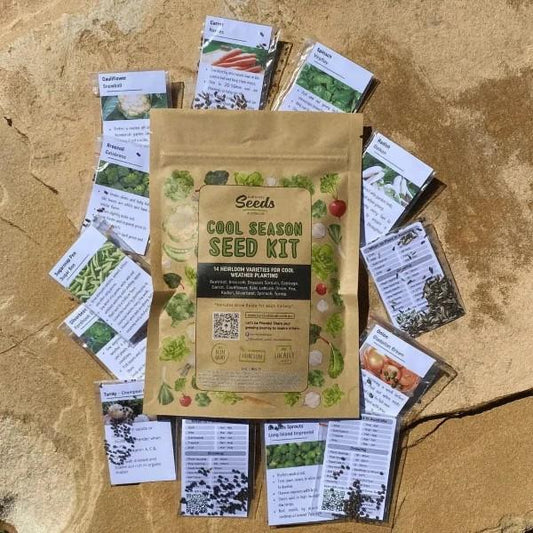
Looking for high-quality heirloom seeds for a Winter harvest? Grab our Cool Season Seed Kit for just $30 with free shipping!

Here are 14 vegetables you can plant for a bountiful winter crop at home. Each of these varieties is included in our Cool Season Seed Kit.

CLICK EACH HEADING FOR A DETAILED AUSTRALIAN GROW GUIDE.

Beetroot

Beetroot is a resilient winter crop that prefers loose, well-drained soil and full sun to partial shade. Sow seeds directly in your garden and keep the soil moist to encourage steady growth. Thin seedlings to allow enough space for the roots to develop fully. Fresh beets are packed with nutrients and can be roasted, juiced, or used in salads.

Broccoli

Broccoli thrives in fertile, well-drained soil with plenty of sunlight. You can sow seeds directly into the ground or start them indoors and transplant seedlings when they’re ready. Regular watering and nutrient-rich soil will ensure large, healthy heads. Broccoli is an excellent cold-hardy vegetable, becoming even sweeter after a frost.Brussels Sprouts

Brussels sprouts are a slow-growing but rewarding crop for winter gardens. They need nutrient-rich, well-drained soil and full sun. Start seeds early in the season and transplant seedlings to give them enough time to mature before winter sets in. The cool temperatures enhance their flavour, making them a perfect addition to warm winter dishes.

Brussels Sprouts

Brussels sprouts are a slow-growing but rewarding crop for winter gardens. They need nutrient-rich, well-drained soil and full sun. Start seeds early in the season and transplant seedlings to give them enough time to mature before winter sets in. The cool temperatures enhance their flavour, making them a perfect addition to warm winter dishes. For best results, stake taller plants to provide support against strong winter winds. Regularly remove lower leaves as the plant matures to encourage better airflow and reduce disease risk. Harvest sprouts from the bottom of the stalk upwards as they reach maturity for a continuous yield throughout the season.

Cabbage

Cabbage is a robust vegetable that prefers rich, well-drained soil and full sun. You can sow seeds directly or start them indoors and transplant later. Keep the soil consistently moist to ensure compact, flavourful heads. It’s a fantastic winter vegetable that works well in coleslaw, stir-fries, and soups.

Carrots

Carrots love loose, sandy soil with excellent drainage. Sow seeds directly in rows and thin seedlings to promote straight root growth. Avoid heavy watering once they’re established, as too much moisture can lead to misshapen roots. The cool temperatures of winter help develop their natural sweetness.

Cauliflower

Cauliflower requires fertile, well-drained soil and full sun. It’s best to start seeds indoors and transplant seedlings into the garden once they’ve developed. Keep the soil consistently moist and protect the heads from frost as they form. This versatile vegetable is great for roasting, mashing, or making a low-carb alternative to rice.

Kale

Kale is one of the hardiest winter vegetables, thriving in rich soil with full sun to partial shade. Sow seeds directly or transplant seedlings into the garden. The cool weather not only helps kale flourish but also enhances its flavour, making it sweeter and less bitter. It’s a great source of vitamins and perfect for salads, smoothies, and soups.

Lettuce

Lettuce grows well in loose, fertile soil with partial to full sun. Sow seeds directly into the garden for a continuous harvest. Regular watering is key to keeping the leaves crisp and tender. With many varieties available, you can enjoy fresh salads throughout the winter.

Onion

Onions grow best in well-drained soil with full sun. You can sow seeds directly or transplant seedlings for a head start. Consistent moisture helps develop larger, flavourful bulbs. They are a staple ingredient for many dishes and store well for months.

Peas

Peas are a fantastic cool-season crop that prefers well-drained soil and full sun. Sow seeds directly into the garden and provide support for climbing varieties. Regular harvesting encourages continuous production. Fresh garden peas add sweetness to any dish and are easy to grow even in small spaces.

Radish

Radishes are one of the fastest-growing winter crops, thriving in loose, well-drained soil with full sun. Sow seeds directly and thin seedlings as needed. They mature quickly, making them ideal for successive planting. Their crisp texture and peppery flavour make them a great addition to salads and sandwiches.

Silverbeet

Silverbeet (Swiss chard) is a hardy green that grows well in rich, well-drained soil with partial to full sun. Sow seeds directly and water regularly. It’s a highly productive plant that provides continuous harvests throughout winter. Packed with nutrients, silverbeet is perfect for sautéing, adding to soups, or using in savoury pies.

Spinach

Spinach is a nutrient-dense green that thrives in fertile, moist soil and partial to full sun. Sow seeds directly into your garden and harvest leaves as needed. It grows exceptionally well in cooler months and is a great addition to salads, smoothies, and stir-fries.

Turnip

Turnips are a versatile winter crop that grows best in loose, fertile soil with full sun. Sow seeds directly and thin seedlings for larger root development. Both the roots and the greens are edible, making them a great dual-purpose plant. Turnips can be roasted, mashed, or added to soups for a rich, earthy flavour.


Start Your Winter Garden Today!

Winter gardening is easier than you think, and with the right vegetables, you can enjoy a productive and delicious harvest. By planting hardy crops like broccoli, kale, carrots, and onions, you’ll keep your garden growing all season long. Whether you’re new to gardening or a seasoned grower, winter is the perfect time to cultivate fresh, homegrown produce.

Looking for high-quality heirloom seeds for a Winter harvest? Grab our Cool Season Seed Kit for just $30 with free shipping!

  • How to Grow Yarrow

    How to Grow Yarrow

    Botanical Name: Achillea Millefolium Native to Europe and parts of Asia, yarrow is a hardy perennial herb with finely divided, fern-like leaves and clusters of small white flowers.Traditionally valued for...

    Read More >

    How to Grow Yarrow

    Botanical Name: Achillea Millefolium Native to Europe and parts of Asia, yarrow is a hardy perennial herb with finely divided, fern-like leaves and clusters of small white flowers.Traditionally valued for...

    Read More >
  • How to Grow Stinging Nettle

    How to Grow Stinging Nettle

    Botanical Name: Urtica Dioica. Native to Europe, Asia, and North America, stinging nettle is a vigorous perennial herb with serrated green leaves covered in fine stinging hairs.Traditionally valued as a...

    Read More >

    How to Grow Stinging Nettle

    Botanical Name: Urtica Dioica. Native to Europe, Asia, and North America, stinging nettle is a vigorous perennial herb with serrated green leaves covered in fine stinging hairs.Traditionally valued as a...

    Read More >
  • How to Grow Valerian

    How to Grow Valerian

    Botanical Name: Valeriana Officinalis Native to Europe and parts of Asia, valerian is a tall perennial herb with soft green foliage and clusters of pale pink or white flowers.Traditionally valued...

    Read More >

    How to Grow Valerian

    Botanical Name: Valeriana Officinalis Native to Europe and parts of Asia, valerian is a tall perennial herb with soft green foliage and clusters of pale pink or white flowers.Traditionally valued...

    Read More >
  • How to Grow Dandelion

    How to Grow Dandelion

    Botanical Name: Taraxacum. Native to Europe and western Asia, dandelion is a hardy perennial herb with deeply toothed green leaves and bright yellow flowers.Traditionally valued for both medicinal and culinary...

    Read More >

    How to Grow Dandelion

    Botanical Name: Taraxacum. Native to Europe and western Asia, dandelion is a hardy perennial herb with deeply toothed green leaves and bright yellow flowers.Traditionally valued for both medicinal and culinary...

    Read More >
  • How to Grow Lemon Balm

    How to Grow Lemon Balm

    Botanical Name: Melissa Officinalis. Native to southern Europe and the Mediterranean, lemon balm is a fragrant perennial herb with soft green leaves and a fresh, lemony aroma.Traditionally valued for its...

    Read More >

    How to Grow Lemon Balm

    Botanical Name: Melissa Officinalis. Native to southern Europe and the Mediterranean, lemon balm is a fragrant perennial herb with soft green leaves and a fresh, lemony aroma.Traditionally valued for its...

    Read More >
  • How to Grow Feverfew

    How to Grow Feverfew

    Botanical Name: Tanacetum Parthenium. Native to southern Europe, feverfew is a compact perennial herb with bright green foliage and small, daisy-like white flowers with yellow centres.Traditionally valued in herbal practice,...

    Read More >

    How to Grow Feverfew

    Botanical Name: Tanacetum Parthenium. Native to southern Europe, feverfew is a compact perennial herb with bright green foliage and small, daisy-like white flowers with yellow centres.Traditionally valued in herbal practice,...

    Read More >
  • How to Grow Chamomile

    How to Grow Chamomile

    Botanical Name: Phaseolus Vulgaris. Native to Europe and western Asia, chamomile is a delicate herb with fine foliage and small, daisy-like white flowers with golden centres.Traditionally valued for its calming...

    Read More >

    How to Grow Chamomile

    Botanical Name: Phaseolus Vulgaris. Native to Europe and western Asia, chamomile is a delicate herb with fine foliage and small, daisy-like white flowers with golden centres.Traditionally valued for its calming...

    Read More >
  • How to Grow Echinacea

    How to Grow Echinacea

    Botanical Name: Echinacea Purpurea. Native to North America, echinacea is a hardy perennial herb with upright stems and large, daisy-like purple flowers.Traditionally valued in herbal medicine, it’s known for its...

    Read More >

    How to Grow Echinacea

    Botanical Name: Echinacea Purpurea. Native to North America, echinacea is a hardy perennial herb with upright stems and large, daisy-like purple flowers.Traditionally valued in herbal medicine, it’s known for its...

    Read More >
  • How to Grow Anise Hyssop

    How to Grow Anise Hyssop

    Botanical Name: Agastache Foeniculum. Native to North America, anise hyssop is a fragrant perennial herb with soft green leaves and tall spikes of purple flowers with a sweet, liquorice-like aroma.Traditionally...

    Read More >

    How to Grow Anise Hyssop

    Botanical Name: Agastache Foeniculum. Native to North America, anise hyssop is a fragrant perennial herb with soft green leaves and tall spikes of purple flowers with a sweet, liquorice-like aroma.Traditionally...

    Read More >
  • How to Grow Lovage

    How to Grow Lovage

    Botanical Name: Levisticum Officinale Originating from southern Europe, lovage is a tall, aromatic herb with deep green, celery-like leaves and a rich, savoury aroma. Long valued in traditional herbal and...

    Read More >

    How to Grow Lovage

    Botanical Name: Levisticum Officinale Originating from southern Europe, lovage is a tall, aromatic herb with deep green, celery-like leaves and a rich, savoury aroma. Long valued in traditional herbal and...

    Read More >
  • How to Grow Lavender

    How to Grow Lavender

    Botanical Name: Lavandula Stoechas Originating from the Mediterranean, lavender is a beloved aromatic herb with silvery-green foliage and soothing purple blooms. Celebrated for its calming scent and versatility, it’s perfect...

    Read More >

    How to Grow Lavender

    Botanical Name: Lavandula Stoechas Originating from the Mediterranean, lavender is a beloved aromatic herb with silvery-green foliage and soothing purple blooms. Celebrated for its calming scent and versatility, it’s perfect...

    Read More >
  • How to Grow Dianthus

    How to Grow Dianthus

    Botanical Name: Dianthus Native to Europe and Asia, dianthus is a charming flowering plant admired for its frilled petals and spicy, clove-like fragrance. Blooming in shades of pink, red, and...

    Read More >

    How to Grow Dianthus

    Botanical Name: Dianthus Native to Europe and Asia, dianthus is a charming flowering plant admired for its frilled petals and spicy, clove-like fragrance. Blooming in shades of pink, red, and...

    Read More >
  • How to Grow Zinnias

    How to Grow Zinnias

    Botanical Name: Zinnia Elegans Native to Mexico and Central America, zinnias are vibrant annual flowers that bloom in a dazzling array of colors. Loved for their long-lasting blossoms and easy...

    Read More >

    How to Grow Zinnias

    Botanical Name: Zinnia Elegans Native to Mexico and Central America, zinnias are vibrant annual flowers that bloom in a dazzling array of colors. Loved for their long-lasting blossoms and easy...

    Read More >
  • How to Grow Calendula Seeds

    How to Grow Calendula Seeds

    Botanical Name: Calendula Officinalis Originating from southern Europe, calendula is a bright, cheerful flower known for its golden-orange blooms and gentle healing properties. Often used in skincare and herbal remedies,...

    Read More >

    How to Grow Calendula Seeds

    Botanical Name: Calendula Officinalis Originating from southern Europe, calendula is a bright, cheerful flower known for its golden-orange blooms and gentle healing properties. Often used in skincare and herbal remedies,...

    Read More >
  • How to Grow Marigolds

    How to Grow Marigolds

    Botanical Name: Tagetes spp. Marigolds originate from Mexico and Central America and are loved for their bright, cheerful blooms and pest-repelling properties. These hardy annuals thrive in sunny conditions, making...

    Read More >

    How to Grow Marigolds

    Botanical Name: Tagetes spp. Marigolds originate from Mexico and Central America and are loved for their bright, cheerful blooms and pest-repelling properties. These hardy annuals thrive in sunny conditions, making...

    Read More >
  • How to Grow Violas

    How to Grow Violas

    Botanical Name: Viola odorata Violas originate from Europe and are treasured for their small, vibrant blooms and sweet fragrance. These versatile flowers thrive in cool weather, making them perfect for...

    Read More >

    How to Grow Violas

    Botanical Name: Viola odorata Violas originate from Europe and are treasured for their small, vibrant blooms and sweet fragrance. These versatile flowers thrive in cool weather, making them perfect for...

    Read More >