BACK Blog

A Simple Guide to Sprouting Seeds Safely

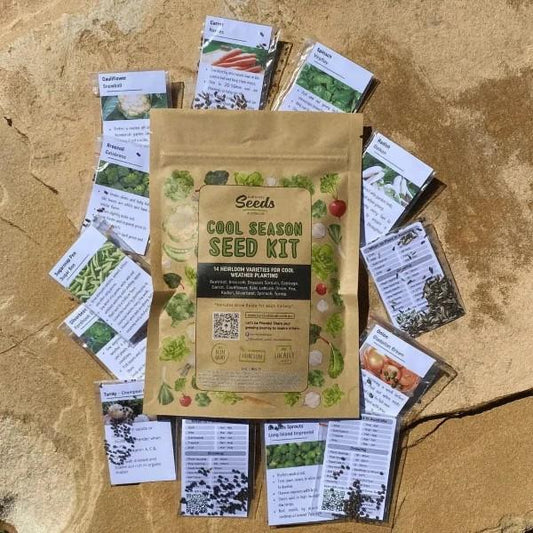
As the heat of summer fades and the cool breezes of autumn begin to sweep across Australia, it's time to get your vegetable garden ready for a productive cool season. Whether you're an experienced gardener or just starting out, this guide will help you transform your garden into a thriving winter oasis.

Sprouting seeds at home is simple, fresh and incredibly rewarding.

Like any fresh food grown in warm, moist conditions, sprouts need a little care to stay clean and safe. The good news? Safe sprouting is easy when you follow a few straightforward steps.

Here’s everything you need to know.


Why Sprouting Safety Matters

Sprouts grow in warm, humid conditions — perfect for seeds, but also ideal for bacteria if hygiene slips.

With proper rinsing, drainage and clean equipment, sprouting at home is very safe. Most problems come down to moisture sitting too long or airflow being restricted.

Keep things clean, rinse regularly and trust your senses.


Start With the Right Seeds

Only use seeds clearly labelled for sprouting.

Never use:

  • Chemically treated seeds
  • Garden planting seeds not intended for sprouting

All Survival Seeds sprouting varieties are 100% untreated and safe for sprouting at home.


Keep Everything Clean

Cleanliness is your best defence.

  • Wash your hands before handling seeds
  • Rinse your jar and lid thoroughly before starting
  • Avoid touching sprouts directly during growing
  • Always drain jars completely after rinsing

Standing water breeds bacteria. Good drainage prevents problems.

If you like, you can sterilise your jar before starting by rinsing it with boiling water and letting it cool naturally (optional but helpful for extra peace of mind).


Follow Proper Soaking & Rinsing

Each seed variety has a recommended soak time.
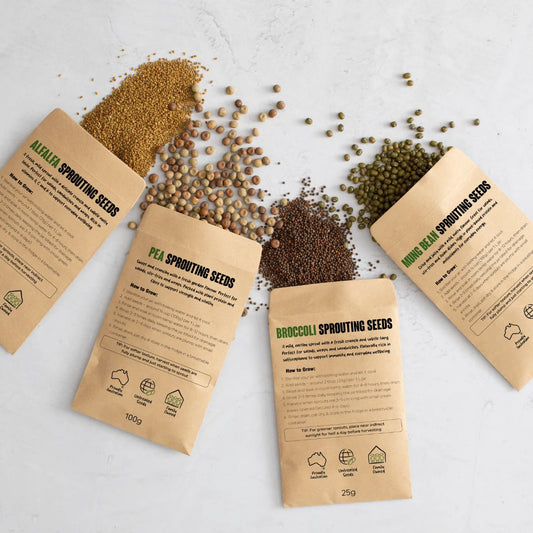
(For example, lentils and mung beans typically soak 8–12 hours, while broccoli and alfalfa are shorter soaks.)

After soaking:

• Drain fully
• Rinse 2–3 times daily
• Never leave more than 12 hours between rinses
• Keep the jar tilted so excess water drains away

Airflow is just as important as rinsing. Always store your jar upside down on an angle so water can escape and air can circulate.

Ideal sprouting temperature: 18–26°C

Warmer conditions speed growth, but hygiene becomes even more important.


Watch for These Warning Signs

Sprouts should smell fresh and clean.

If you notice:

  • Musty smell
  • Sour smell
  • Slimy texture
  • Visible mould

Discard them and start fresh.

If in doubt, throw it out. Seeds are inexpensive — your health isn’t.


Common Sprouting Questions

What about white fuzzy hairs?

Tiny white hairs near roots are usually normal root hairs — not mould.
They often disappear after rinsing.

If the fuzz remains after rinsing or smells off, treat it as mould and discard.


Who should avoid raw sprouts?

Raw sprouts aren’t recommended for:

  • Pregnant women
  • Children under 5
  • Adults over 70
  • Anyone with a weakened immune system

If unsure, lightly cook sprouts before eating.


Storing Your Sprouts

Once ready:

  • Give them a final rinse
  • Gently pat dry
  • Store in the fridge
  • Use a breathable container with a paper towel to absorb excess moisture

Most sprouts stay fresh for several days when stored properly.


Safe Sprouting Is Simple

Sprouting doesn’t need to be complicated.

Clean jar.
Proper drainage.
Regular rinsing.
Fresh-smelling sprouts.

That’s it.

Follow these simple principles and you’ll enjoy crisp, nutritious sprouts with confidence.

And once you start, don’t be surprised if sprout addiction kicks in.

  • How to Grow Yarrow

    How to Grow Yarrow

    Botanical Name: Achillea Millefolium Native to Europe and parts of Asia, yarrow is a hardy perennial herb with finely divided, fern-like leaves and clusters of small white flowers.Traditionally valued for...

    Read More >

    How to Grow Yarrow

    Botanical Name: Achillea Millefolium Native to Europe and parts of Asia, yarrow is a hardy perennial herb with finely divided, fern-like leaves and clusters of small white flowers.Traditionally valued for...

    Read More >
  • How to Grow Stinging Nettle

    How to Grow Stinging Nettle

    Botanical Name: Urtica Dioica. Native to Europe, Asia, and North America, stinging nettle is a vigorous perennial herb with serrated green leaves covered in fine stinging hairs.Traditionally valued as a...

    Read More >

    How to Grow Stinging Nettle

    Botanical Name: Urtica Dioica. Native to Europe, Asia, and North America, stinging nettle is a vigorous perennial herb with serrated green leaves covered in fine stinging hairs.Traditionally valued as a...

    Read More >
  • How to Grow Valerian

    How to Grow Valerian

    Botanical Name: Valeriana Officinalis Native to Europe and parts of Asia, valerian is a tall perennial herb with soft green foliage and clusters of pale pink or white flowers.Traditionally valued...

    Read More >

    How to Grow Valerian

    Botanical Name: Valeriana Officinalis Native to Europe and parts of Asia, valerian is a tall perennial herb with soft green foliage and clusters of pale pink or white flowers.Traditionally valued...

    Read More >
  • How to Grow Dandelion

    How to Grow Dandelion

    Botanical Name: Taraxacum. Native to Europe and western Asia, dandelion is a hardy perennial herb with deeply toothed green leaves and bright yellow flowers.Traditionally valued for both medicinal and culinary...

    Read More >

    How to Grow Dandelion

    Botanical Name: Taraxacum. Native to Europe and western Asia, dandelion is a hardy perennial herb with deeply toothed green leaves and bright yellow flowers.Traditionally valued for both medicinal and culinary...

    Read More >
  • How to Grow Lemon Balm

    How to Grow Lemon Balm

    Botanical Name: Melissa Officinalis. Native to southern Europe and the Mediterranean, lemon balm is a fragrant perennial herb with soft green leaves and a fresh, lemony aroma.Traditionally valued for its...

    Read More >

    How to Grow Lemon Balm

    Botanical Name: Melissa Officinalis. Native to southern Europe and the Mediterranean, lemon balm is a fragrant perennial herb with soft green leaves and a fresh, lemony aroma.Traditionally valued for its...

    Read More >
  • How to Grow Feverfew

    How to Grow Feverfew

    Botanical Name: Tanacetum Parthenium. Native to southern Europe, feverfew is a compact perennial herb with bright green foliage and small, daisy-like white flowers with yellow centres.Traditionally valued in herbal practice,...

    Read More >

    How to Grow Feverfew

    Botanical Name: Tanacetum Parthenium. Native to southern Europe, feverfew is a compact perennial herb with bright green foliage and small, daisy-like white flowers with yellow centres.Traditionally valued in herbal practice,...

    Read More >
  • How to Grow Chamomile

    How to Grow Chamomile

    Botanical Name: Phaseolus Vulgaris. Native to Europe and western Asia, chamomile is a delicate herb with fine foliage and small, daisy-like white flowers with golden centres.Traditionally valued for its calming...

    Read More >

    How to Grow Chamomile

    Botanical Name: Phaseolus Vulgaris. Native to Europe and western Asia, chamomile is a delicate herb with fine foliage and small, daisy-like white flowers with golden centres.Traditionally valued for its calming...

    Read More >
  • How to Grow Echinacea

    How to Grow Echinacea

    Botanical Name: Echinacea Purpurea. Native to North America, echinacea is a hardy perennial herb with upright stems and large, daisy-like purple flowers.Traditionally valued in herbal medicine, it’s known for its...

    Read More >

    How to Grow Echinacea

    Botanical Name: Echinacea Purpurea. Native to North America, echinacea is a hardy perennial herb with upright stems and large, daisy-like purple flowers.Traditionally valued in herbal medicine, it’s known for its...

    Read More >
  • How to Grow Anise Hyssop

    How to Grow Anise Hyssop

    Botanical Name: Agastache Foeniculum. Native to North America, anise hyssop is a fragrant perennial herb with soft green leaves and tall spikes of purple flowers with a sweet, liquorice-like aroma.Traditionally...

    Read More >

    How to Grow Anise Hyssop

    Botanical Name: Agastache Foeniculum. Native to North America, anise hyssop is a fragrant perennial herb with soft green leaves and tall spikes of purple flowers with a sweet, liquorice-like aroma.Traditionally...

    Read More >
  • How to Grow Lovage

    How to Grow Lovage

    Botanical Name: Levisticum Officinale Originating from southern Europe, lovage is a tall, aromatic herb with deep green, celery-like leaves and a rich, savoury aroma. Long valued in traditional herbal and...

    Read More >

    How to Grow Lovage

    Botanical Name: Levisticum Officinale Originating from southern Europe, lovage is a tall, aromatic herb with deep green, celery-like leaves and a rich, savoury aroma. Long valued in traditional herbal and...

    Read More >
  • How to Grow Lavender

    How to Grow Lavender

    Botanical Name: Lavandula Stoechas Originating from the Mediterranean, lavender is a beloved aromatic herb with silvery-green foliage and soothing purple blooms. Celebrated for its calming scent and versatility, it’s perfect...

    Read More >

    How to Grow Lavender

    Botanical Name: Lavandula Stoechas Originating from the Mediterranean, lavender is a beloved aromatic herb with silvery-green foliage and soothing purple blooms. Celebrated for its calming scent and versatility, it’s perfect...

    Read More >
  • How to Grow Dianthus

    How to Grow Dianthus

    Botanical Name: Dianthus Native to Europe and Asia, dianthus is a charming flowering plant admired for its frilled petals and spicy, clove-like fragrance. Blooming in shades of pink, red, and...

    Read More >

    How to Grow Dianthus

    Botanical Name: Dianthus Native to Europe and Asia, dianthus is a charming flowering plant admired for its frilled petals and spicy, clove-like fragrance. Blooming in shades of pink, red, and...

    Read More >
  • How to Grow Zinnias

    How to Grow Zinnias

    Botanical Name: Zinnia Elegans Native to Mexico and Central America, zinnias are vibrant annual flowers that bloom in a dazzling array of colors. Loved for their long-lasting blossoms and easy...

    Read More >

    How to Grow Zinnias

    Botanical Name: Zinnia Elegans Native to Mexico and Central America, zinnias are vibrant annual flowers that bloom in a dazzling array of colors. Loved for their long-lasting blossoms and easy...

    Read More >
  • How to Grow Calendula Seeds

    How to Grow Calendula Seeds

    Botanical Name: Calendula Officinalis Originating from southern Europe, calendula is a bright, cheerful flower known for its golden-orange blooms and gentle healing properties. Often used in skincare and herbal remedies,...

    Read More >

    How to Grow Calendula Seeds

    Botanical Name: Calendula Officinalis Originating from southern Europe, calendula is a bright, cheerful flower known for its golden-orange blooms and gentle healing properties. Often used in skincare and herbal remedies,...

    Read More >
  • How to Grow Marigolds

    How to Grow Marigolds

    Botanical Name: Tagetes spp. Marigolds originate from Mexico and Central America and are loved for their bright, cheerful blooms and pest-repelling properties. These hardy annuals thrive in sunny conditions, making...

    Read More >

    How to Grow Marigolds

    Botanical Name: Tagetes spp. Marigolds originate from Mexico and Central America and are loved for their bright, cheerful blooms and pest-repelling properties. These hardy annuals thrive in sunny conditions, making...

    Read More >
  • How to Grow Violas

    How to Grow Violas

    Botanical Name: Viola odorata Violas originate from Europe and are treasured for their small, vibrant blooms and sweet fragrance. These versatile flowers thrive in cool weather, making them perfect for...

    Read More >

    How to Grow Violas

    Botanical Name: Viola odorata Violas originate from Europe and are treasured for their small, vibrant blooms and sweet fragrance. These versatile flowers thrive in cool weather, making them perfect for...

    Read More >