BACK Blog

Preparing Your Veggie Garden for Cool Weather

As the heat of summer fades and the cool breezes of autumn begin to sweep across Australia, it's time to get your vegetable garden ready for a productive cool season. Whether you're an experienced gardener or just starting out, this guide will help you transform your garden into a thriving winter oasis.

That Time of The Year Again

As the heat of summer fades and the cool breezes of autumn begin to sweep across Australia, it's time to get your vegetable garden ready for a productive cool season. Whether you're an experienced gardener or just starting out, this guide will help you transform your garden into a thriving winter oasis.


Understanding the Aussie Cool Season

Australia's climate is as diverse as its landscape. In many parts of the country, especially in the southern states, the cool weather brings chilly mornings, frosts, and a dramatic drop in temperature during the evenings. Cool-season crops such as leafy greens, brassicas, root vegetables, and hardy herbs not only withstand these conditions—they often develop richer flavours when grown in cooler weather.

For tropical growers, now is the time of year that you look forward to most - your options are nearly endless!


Benefits of Cooler Season Gardening vs. Warm Season

Gardening during the cool season in Australia offers a range of advantages over the hotter months. For one, the milder temperatures mean that vegetables often develop richer, more concentrated flavours—perfect for savoury salads and hearty winter dishes. Cooler weather also reduces water loss from evaporation, making it easier to maintain soil moisture and manage water resources. Additionally, many pests and diseases are less active in lower temperatures, meaning your garden may face fewer challenges than during the scorching summer heat. Whether you're growing leafy greens, brassicas, or root vegetables, cool-season gardening can lead to healthier plants and a more rewarding harvest overall.


The Best Vegetables to Plant for a Winter Harvest

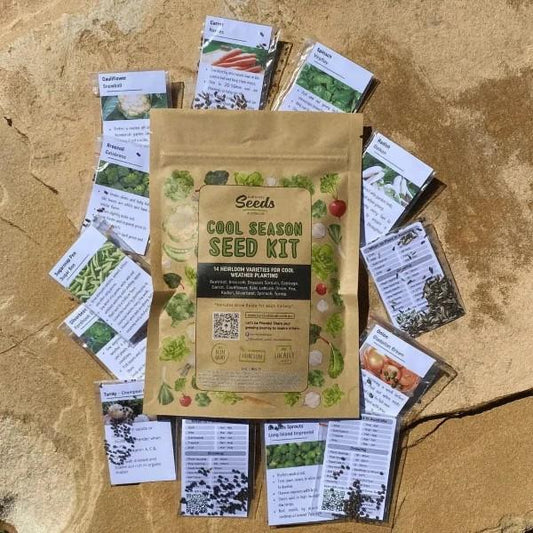
Looking for high-quality heirloom seeds for a Winter harvest? Grab our Cool Season Seed Kit for just $30 with free shipping!


Assessing Your Garden’s Microclimate

Before you start planning your garden, take a moment to observe your outdoor space:

  • Frost-Prone Areas: Identify areas where frost settles. Gardens close to walls or under tree canopies often retain heat better, providing natural frost protection.
  • Wind Exposure: Strong winds can chill your plants. Consider setting up windbreaks such as hedges or garden screens in exposed areas.
  • Sunlight: Look for spots that receive ample sunlight during the day. Even in cooler weather, most vegetables need at least 4-6 hours of direct sun.


Planning Your Cool-Season Garden

Choosing the Right Vegetables

Cool-season crops thrive when the weather is mild. Consider planting:

  • Leafy Greens: Spinach, kale, lettuce, and silverbeet
  • Brassicas: Broccoli, cauliflower, cabbage, and Brussels sprouts
  • Root Vegetables: Carrots, beets, turnips, and radishes
  • Herbs: Parsley, coriander, chives, and certain hardy varieties of thyme and oregano

Layout & Garden Design

  • Raised Beds: These are ideal if your soil drainage is poor. Raised beds warm up quicker in spring and help keep roots protected from frost.
  • Containers: Perfect for small spaces or patios, containers let you control soil quality and are easier to move if frost is expected.
  • Spacing: Ensure there’s enough room between plants to allow for air circulation, which helps prevent fungal diseases common in damp, cool conditions.


Preparing Your Soil

A robust garden begins with healthy soil. If you're just starting out, these essential steps will help you get your garden beds primed for planting this cool season. (Of course, if you're further along in your growing journey, you might already be practising zero-till or other advanced techniques!)

Clear and Clean: Remove any remnants of summer crops, weeds, and debris. This step not only reduces the risk of pests and diseases but also creates a blank canvas for your new plants.
Loosen the Soil:
Give your garden a good tilling or double-digging to break up compacted soil. This improves aeration and allows roots to grow more freely.
Incorporate Organic Matter:
Mix in plenty of well-rotted manure, compost, or worm castings to enrich the soil. Organic matter boosts fertility, improves moisture retention, and enhances drainage – all vital for cool-season crops.
Improve Drainage:
In areas prone to heavy clay or sandy soils, consider adding amendments such as coarse sand or additional organic matter to achieve a balanced, well-draining soil structure.
Mulching:
Once your garden is planted, apply a layer of organic mulch (like straw, shredded leaves, or bark) on top of the soil. Mulch helps retain moisture, suppress weeds, and maintain a more stable soil temperature during chilly nights.

By taking these extra steps, you’ll create an ideal environment for your cool-season vegetables, setting the stage for a bountiful winter harvest.


Sowing and Planting Techniques

Direct Sowing vs. Transplanting

  • Direct Sowing: Root vegetables and many leafy greens can be sown directly into the garden. Ensure you follow the recommended sowing depths to encourage quick germination.
  • Transplanting: For more sensitive crops like brassicas, starting seeds indoors or in a greenhouse can give them a head start. Once the risk of severe frosts has passed, transplant them into your garden.

Protection Measures

  • Row Covers and Cloches: Use lightweight row covers or cloches to shield your young plants from unexpected frosts. These simple tools create a warmer microclimate around your seedlings.
  • Mulching: Apply a generous layer of organic mulch (such as straw or shredded leaves) to help insulate the soil, reduce temperature fluctuations, and retain moisture.
  • Water Wisely: Water your garden early in the morning so plants can absorb moisture before the temperatures drop at night. Avoid overwatering to prevent fungal issues.


Embracing a Bountiful Cool-Season Harvest

Cool-season gardening allows vegetables to develop enhanced flavours as slower growth concentrates natural sugars and nutrients. Rotate your crops throughout the season to maintain soil health and enjoy a continuous harvest of fresh produce.

For more inspiration and detailed tips on what to plant for a winter harvest, be sure to check out our guide:
14 Vegetables to Plant for a Winter Harvest


Final Thoughts

Preparing your veggie garden for cool weather in Australia doesn’t have to be daunting. With the right planning, soil preparation, and planting techniques, you can create a resilient garden that delivers a bountiful harvest throughout autumn and winter.

Happy gardening, and here’s to a productive cool season!

transform your garden into a thriving winter oasis.

  • How to Grow Yarrow

    How to Grow Yarrow

    Botanical Name: Achillea Millefolium Native to Europe and parts of Asia, yarrow is a hardy perennial herb with finely divided, fern-like leaves and clusters of small white flowers.Traditionally valued for...

    Read More >

    How to Grow Yarrow

    Botanical Name: Achillea Millefolium Native to Europe and parts of Asia, yarrow is a hardy perennial herb with finely divided, fern-like leaves and clusters of small white flowers.Traditionally valued for...

    Read More >
  • How to Grow Stinging Nettle

    How to Grow Stinging Nettle

    Botanical Name: Urtica Dioica. Native to Europe, Asia, and North America, stinging nettle is a vigorous perennial herb with serrated green leaves covered in fine stinging hairs.Traditionally valued as a...

    Read More >

    How to Grow Stinging Nettle

    Botanical Name: Urtica Dioica. Native to Europe, Asia, and North America, stinging nettle is a vigorous perennial herb with serrated green leaves covered in fine stinging hairs.Traditionally valued as a...

    Read More >
  • How to Grow Valerian

    How to Grow Valerian

    Botanical Name: Valeriana Officinalis Native to Europe and parts of Asia, valerian is a tall perennial herb with soft green foliage and clusters of pale pink or white flowers.Traditionally valued...

    Read More >

    How to Grow Valerian

    Botanical Name: Valeriana Officinalis Native to Europe and parts of Asia, valerian is a tall perennial herb with soft green foliage and clusters of pale pink or white flowers.Traditionally valued...

    Read More >
  • How to Grow Dandelion

    How to Grow Dandelion

    Botanical Name: Taraxacum. Native to Europe and western Asia, dandelion is a hardy perennial herb with deeply toothed green leaves and bright yellow flowers.Traditionally valued for both medicinal and culinary...

    Read More >

    How to Grow Dandelion

    Botanical Name: Taraxacum. Native to Europe and western Asia, dandelion is a hardy perennial herb with deeply toothed green leaves and bright yellow flowers.Traditionally valued for both medicinal and culinary...

    Read More >
  • How to Grow Lemon Balm

    How to Grow Lemon Balm

    Botanical Name: Melissa Officinalis. Native to southern Europe and the Mediterranean, lemon balm is a fragrant perennial herb with soft green leaves and a fresh, lemony aroma.Traditionally valued for its...

    Read More >

    How to Grow Lemon Balm

    Botanical Name: Melissa Officinalis. Native to southern Europe and the Mediterranean, lemon balm is a fragrant perennial herb with soft green leaves and a fresh, lemony aroma.Traditionally valued for its...

    Read More >
  • How to Grow Feverfew

    How to Grow Feverfew

    Botanical Name: Tanacetum Parthenium. Native to southern Europe, feverfew is a compact perennial herb with bright green foliage and small, daisy-like white flowers with yellow centres.Traditionally valued in herbal practice,...

    Read More >

    How to Grow Feverfew

    Botanical Name: Tanacetum Parthenium. Native to southern Europe, feverfew is a compact perennial herb with bright green foliage and small, daisy-like white flowers with yellow centres.Traditionally valued in herbal practice,...

    Read More >
  • How to Grow Chamomile

    How to Grow Chamomile

    Botanical Name: Phaseolus Vulgaris. Native to Europe and western Asia, chamomile is a delicate herb with fine foliage and small, daisy-like white flowers with golden centres.Traditionally valued for its calming...

    Read More >

    How to Grow Chamomile

    Botanical Name: Phaseolus Vulgaris. Native to Europe and western Asia, chamomile is a delicate herb with fine foliage and small, daisy-like white flowers with golden centres.Traditionally valued for its calming...

    Read More >
  • How to Grow Echinacea

    How to Grow Echinacea

    Botanical Name: Echinacea Purpurea. Native to North America, echinacea is a hardy perennial herb with upright stems and large, daisy-like purple flowers.Traditionally valued in herbal medicine, it’s known for its...

    Read More >

    How to Grow Echinacea

    Botanical Name: Echinacea Purpurea. Native to North America, echinacea is a hardy perennial herb with upright stems and large, daisy-like purple flowers.Traditionally valued in herbal medicine, it’s known for its...

    Read More >
  • How to Grow Anise Hyssop

    How to Grow Anise Hyssop

    Botanical Name: Agastache Foeniculum. Native to North America, anise hyssop is a fragrant perennial herb with soft green leaves and tall spikes of purple flowers with a sweet, liquorice-like aroma.Traditionally...

    Read More >

    How to Grow Anise Hyssop

    Botanical Name: Agastache Foeniculum. Native to North America, anise hyssop is a fragrant perennial herb with soft green leaves and tall spikes of purple flowers with a sweet, liquorice-like aroma.Traditionally...

    Read More >
  • How to Grow Lovage

    How to Grow Lovage

    Botanical Name: Levisticum Officinale Originating from southern Europe, lovage is a tall, aromatic herb with deep green, celery-like leaves and a rich, savoury aroma. Long valued in traditional herbal and...

    Read More >

    How to Grow Lovage

    Botanical Name: Levisticum Officinale Originating from southern Europe, lovage is a tall, aromatic herb with deep green, celery-like leaves and a rich, savoury aroma. Long valued in traditional herbal and...

    Read More >
  • How to Grow Lavender

    How to Grow Lavender

    Botanical Name: Lavandula Stoechas Originating from the Mediterranean, lavender is a beloved aromatic herb with silvery-green foliage and soothing purple blooms. Celebrated for its calming scent and versatility, it’s perfect...

    Read More >

    How to Grow Lavender

    Botanical Name: Lavandula Stoechas Originating from the Mediterranean, lavender is a beloved aromatic herb with silvery-green foliage and soothing purple blooms. Celebrated for its calming scent and versatility, it’s perfect...

    Read More >
  • How to Grow Dianthus

    How to Grow Dianthus

    Botanical Name: Dianthus Native to Europe and Asia, dianthus is a charming flowering plant admired for its frilled petals and spicy, clove-like fragrance. Blooming in shades of pink, red, and...

    Read More >

    How to Grow Dianthus

    Botanical Name: Dianthus Native to Europe and Asia, dianthus is a charming flowering plant admired for its frilled petals and spicy, clove-like fragrance. Blooming in shades of pink, red, and...

    Read More >
  • How to Grow Zinnias

    How to Grow Zinnias

    Botanical Name: Zinnia Elegans Native to Mexico and Central America, zinnias are vibrant annual flowers that bloom in a dazzling array of colors. Loved for their long-lasting blossoms and easy...

    Read More >

    How to Grow Zinnias

    Botanical Name: Zinnia Elegans Native to Mexico and Central America, zinnias are vibrant annual flowers that bloom in a dazzling array of colors. Loved for their long-lasting blossoms and easy...

    Read More >
  • How to Grow Calendula Seeds

    How to Grow Calendula Seeds

    Botanical Name: Calendula Officinalis Originating from southern Europe, calendula is a bright, cheerful flower known for its golden-orange blooms and gentle healing properties. Often used in skincare and herbal remedies,...

    Read More >

    How to Grow Calendula Seeds

    Botanical Name: Calendula Officinalis Originating from southern Europe, calendula is a bright, cheerful flower known for its golden-orange blooms and gentle healing properties. Often used in skincare and herbal remedies,...

    Read More >
  • How to Grow Marigolds

    How to Grow Marigolds

    Botanical Name: Tagetes spp. Marigolds originate from Mexico and Central America and are loved for their bright, cheerful blooms and pest-repelling properties. These hardy annuals thrive in sunny conditions, making...

    Read More >

    How to Grow Marigolds

    Botanical Name: Tagetes spp. Marigolds originate from Mexico and Central America and are loved for their bright, cheerful blooms and pest-repelling properties. These hardy annuals thrive in sunny conditions, making...

    Read More >
  • How to Grow Violas

    How to Grow Violas

    Botanical Name: Viola odorata Violas originate from Europe and are treasured for their small, vibrant blooms and sweet fragrance. These versatile flowers thrive in cool weather, making them perfect for...

    Read More >

    How to Grow Violas

    Botanical Name: Viola odorata Violas originate from Europe and are treasured for their small, vibrant blooms and sweet fragrance. These versatile flowers thrive in cool weather, making them perfect for...

    Read More >