BACK Blog

Eastern Brown Snake Bite - I am Lucky to Be Alive

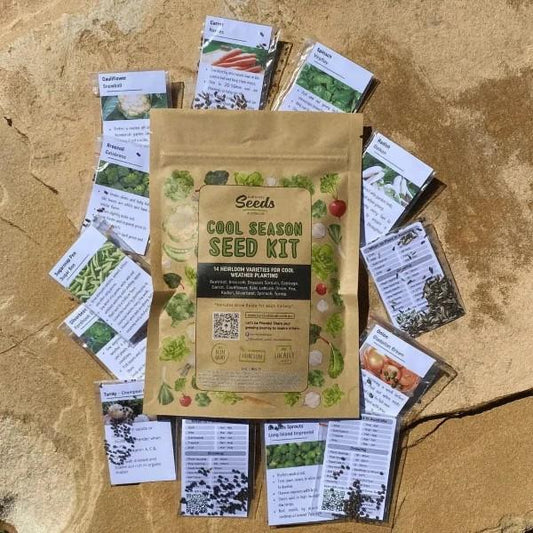
As the heat of summer fades and the cool breezes of autumn begin to sweep across Australia, it's time to get your vegetable garden ready for a productive cool season. Whether you're an experienced gardener or just starting out, this guide will help you transform your garden into a thriving winter oasis.

*You're welcome to share the link to this article to help spread awareness, but no part of this story may be copied, reproduced, or shared as your own—especially for media use across any platform. 

It’s not always easy to admit when you’ve made a huge mistake—especially when it nearly cost me my life and left my young family to pick up the pieces. But I’m sharing my story in the hope that it helps someone avoid the same mistakes I made. The truth is, if I had been informed and prepared, I never would have found myself in such a dire situation.

I’m not trying to sound like a hero. Far from it, in fact. I was complacent, uneducated, unprepared, and completely untrained in basic snakebite first aid. And it almost cost me everything. And don't worry, the irony isn’t lost on me either, considering I run a business called Survival Seeds... 

You may have come across my story in the media. I’ve been “awarded” a number of Darwin Awards online—which, to be fair, I can’t exactly argue with. The Triple M Breakfast show even suggested I did it for likes on social media, which couldn’t be further from the truth. Posting the video has undoubtedly been a blow to my ego, but at the end of the day, I'd be dead had I not posted it. If sharing my story can help save someone else, then my ego is the least of my concerns!

The Bite

It all started on Tuesday, 14th January 2025, when my sister, who lives just around the corner, messaged me saying there was a snake in her house. Feeling obligated to do the brotherly thing, I went over to help. Having owned a few pet snakes in the past (non-venomous, of course), I ID'd it as a harmless green tree snake. Cornered in her pantry, I picked it up with my bare hands to avoid injuring it—a decision that still makes me cringe with embarrassment. It wasn’t until my sister sent me a video of me getting bitten that I began to question my identification and decided to post it to a Snake ID Facebook group. Within minutes, I was bombarded with messages urging me to call 000: this wasn’t a harmless tree snake. It was a juvenile eastern brown snake, the second most venomous snake on earth. 

By that point, I’d already been bitten once on each hand. However, due to my naivety and lack of knowledge, I assumed I’d have a good 6 - 8 hours before a juvenile brown snake bite became a serious issue for a fully grown man. How wrong I was...

A Fight for My Life

The bite occurred at 9:10 p.m., but still thinking it was a tree snake, I didn’t realise the seriousness of the situation until I started receiving frantic messages about 20 minutes later. By then, I hadn’t applied any snake bite first aid, such as pressure bandages or immobilisation—something I now know would have bought me a lot more time.

At 9:33 p.m., I called the ambulance which very fortunately arrived quickly at 9:38 p.m., I still wasn’t showing any symptoms. I felt fine—if anything, I was embarrassed, thinking I’d wasted their time. But they acted immediately, wrapping both my arms with compression bandages and calmly starting the journey to the hospital.

That calm didn’t last long.

Just five minutes into the trip, at 9:50 p.m., everything changed. My condition deteriorated rapidly, and the paramedics called for their Critical Response Team to meet us en route to the hospital. By 9:57 p.m., I was verbally unresponsive for some time, according to the records, but I recall being able to hear everything around me. The tension in the ambulance was palpable as the paramedics struggled to find a vein—my blood flow had slowed significantly, and my heart rate was dangerously low.  

For the next 15 - 20 minutes, we were pulled up beside the highway somewhere between Highfields and Toowoomba as the paramedics worked tirelessly to stabilise me enough to get me to the hospital. At one point, I overheard them discussing the possibility of drilling into my shin to inject medication directly into my bone marrow. That thought somehow jolted me enough to refuse, though how I managed to communicate that in my state is still beyond me. After several failed attempts, and mounting stress, they finally found a vein. 

I was given multiple doses of atropine to address bradycardia (a dangerously slow heart rate) and ondansetron to manage the relentless vomiting. The least of my worries at the time, but my body was a pin cushion of needles, leaving my legs and feet covered in punctures, bruises, and blood from many failed attempts to administer the drugs.  

I later discovered I’d also soiled myself during the ordeal—a humbling and undignified detail, but when you’re fighting for your life, those things hardly seem to matter. It was raw, messy, and terrifying, but the paramedics' relentless efforts quite literally kept me alive.

The Emergency Department 

I arrived at the hospital around 10:30 p.m., where a large, bustling team was ready to assess me, still unaware of just how critical my condition was and naively thinking that I was in the clear now that I had made it to the ED. The next few hours became a blur of blood tests, CT scans, and X-rays as they worked to check for internal bleeding and stabilise me.

I’m not sure exactly when I was given the antivenom, but I do remember the doctors consulting toxicologists and snakebite experts. There was a lot of discussion and collaboration among the team, which was incredible to witness. A serious envenomation like mine is quite rare, so it’s not something they encounter every day. What really stood out to me was the absence of egos—everyone was focused on sharing knowledge, learning, and adapting in real-time to ensure I received the best care possible.

The Reality Started to Sink in

It wasn’t until the next day that I realised just how close I came to not making it. I had visits from loads of the ED staff and the three paramedics who'd treated and transported me and they were all relieved to see me alive and well. I learned that I went into peri-arrest (the stage just before cardiac arrest) and was in critical condition. One senior paramedic mentioned that it was the worst snake bite reaction he’d ever encountered in his career, describing how I went from showing no symptoms to becoming unresponsive in a matter of minutes.

It’s been an absolute whirlwind since the bite, with plenty of ups and downs, both physically and mentally. I’m currently battling serum sickness from the antivenom, which has been tough, though it was expected and is easily treatable. For the first five days or so, I had no trouble sleeping—I was completely drained. But lately, I can’t stop replaying the series of events and all the small details that could have had massive consequences, both good and bad. For instance, if I had known basic snakebite first aid and had a proper snakebite first aid kit, I wouldn’t have ended up in such a critical, touch-and-go situation where I was literally fighting for my life.

A Final Word

I’m sharing this story not to draw attention to myself but to help others learn from my mistakes. I was uneducated, unprepared, and lucky to survive. But luck isn’t a plan. If things had gone differently, my young family would have been left to pick up the pieces, all because I didn’t take a few simple precautions.

I urge you to please take the time to learn basic first aid. Have a snakebite kit on hand. Know the risks, and respect them.

This experience has been humbling in ways I can’t fully express. I’m incredibly grateful to the paramedics, the hospital staff, and the members of the Snake ID Facebook group who saved my life. I’m alive today because of them, and because of that, my family doesn’t have to face the unimaginable. 

Please don’t put your loved ones in the same position that I did. Don’t wait until it’s too late—be prepared.

 

  • How to Grow Yarrow

    How to Grow Yarrow

    Botanical Name: Achillea Millefolium Native to Europe and parts of Asia, yarrow is a hardy perennial herb with finely divided, fern-like leaves and clusters of small white flowers.Traditionally valued for...

    Read More >

    How to Grow Yarrow

    Botanical Name: Achillea Millefolium Native to Europe and parts of Asia, yarrow is a hardy perennial herb with finely divided, fern-like leaves and clusters of small white flowers.Traditionally valued for...

    Read More >
  • How to Grow Stinging Nettle

    How to Grow Stinging Nettle

    Botanical Name: Urtica Dioica. Native to Europe, Asia, and North America, stinging nettle is a vigorous perennial herb with serrated green leaves covered in fine stinging hairs.Traditionally valued as a...

    Read More >

    How to Grow Stinging Nettle

    Botanical Name: Urtica Dioica. Native to Europe, Asia, and North America, stinging nettle is a vigorous perennial herb with serrated green leaves covered in fine stinging hairs.Traditionally valued as a...

    Read More >
  • How to Grow Valerian

    How to Grow Valerian

    Botanical Name: Valeriana Officinalis Native to Europe and parts of Asia, valerian is a tall perennial herb with soft green foliage and clusters of pale pink or white flowers.Traditionally valued...

    Read More >

    How to Grow Valerian

    Botanical Name: Valeriana Officinalis Native to Europe and parts of Asia, valerian is a tall perennial herb with soft green foliage and clusters of pale pink or white flowers.Traditionally valued...

    Read More >
  • How to Grow Dandelion

    How to Grow Dandelion

    Botanical Name: Taraxacum. Native to Europe and western Asia, dandelion is a hardy perennial herb with deeply toothed green leaves and bright yellow flowers.Traditionally valued for both medicinal and culinary...

    Read More >

    How to Grow Dandelion

    Botanical Name: Taraxacum. Native to Europe and western Asia, dandelion is a hardy perennial herb with deeply toothed green leaves and bright yellow flowers.Traditionally valued for both medicinal and culinary...

    Read More >
  • How to Grow Lemon Balm

    How to Grow Lemon Balm

    Botanical Name: Melissa Officinalis. Native to southern Europe and the Mediterranean, lemon balm is a fragrant perennial herb with soft green leaves and a fresh, lemony aroma.Traditionally valued for its...

    Read More >

    How to Grow Lemon Balm

    Botanical Name: Melissa Officinalis. Native to southern Europe and the Mediterranean, lemon balm is a fragrant perennial herb with soft green leaves and a fresh, lemony aroma.Traditionally valued for its...

    Read More >
  • How to Grow Feverfew

    How to Grow Feverfew

    Botanical Name: Tanacetum Parthenium. Native to southern Europe, feverfew is a compact perennial herb with bright green foliage and small, daisy-like white flowers with yellow centres.Traditionally valued in herbal practice,...

    Read More >

    How to Grow Feverfew

    Botanical Name: Tanacetum Parthenium. Native to southern Europe, feverfew is a compact perennial herb with bright green foliage and small, daisy-like white flowers with yellow centres.Traditionally valued in herbal practice,...

    Read More >
  • How to Grow Chamomile

    How to Grow Chamomile

    Botanical Name: Phaseolus Vulgaris. Native to Europe and western Asia, chamomile is a delicate herb with fine foliage and small, daisy-like white flowers with golden centres.Traditionally valued for its calming...

    Read More >

    How to Grow Chamomile

    Botanical Name: Phaseolus Vulgaris. Native to Europe and western Asia, chamomile is a delicate herb with fine foliage and small, daisy-like white flowers with golden centres.Traditionally valued for its calming...

    Read More >
  • How to Grow Echinacea

    How to Grow Echinacea

    Botanical Name: Echinacea Purpurea. Native to North America, echinacea is a hardy perennial herb with upright stems and large, daisy-like purple flowers.Traditionally valued in herbal medicine, it’s known for its...

    Read More >

    How to Grow Echinacea

    Botanical Name: Echinacea Purpurea. Native to North America, echinacea is a hardy perennial herb with upright stems and large, daisy-like purple flowers.Traditionally valued in herbal medicine, it’s known for its...

    Read More >
  • How to Grow Anise Hyssop

    How to Grow Anise Hyssop

    Botanical Name: Agastache Foeniculum. Native to North America, anise hyssop is a fragrant perennial herb with soft green leaves and tall spikes of purple flowers with a sweet, liquorice-like aroma.Traditionally...

    Read More >

    How to Grow Anise Hyssop

    Botanical Name: Agastache Foeniculum. Native to North America, anise hyssop is a fragrant perennial herb with soft green leaves and tall spikes of purple flowers with a sweet, liquorice-like aroma.Traditionally...

    Read More >
  • How to Grow Lovage

    How to Grow Lovage

    Botanical Name: Levisticum Officinale Originating from southern Europe, lovage is a tall, aromatic herb with deep green, celery-like leaves and a rich, savoury aroma. Long valued in traditional herbal and...

    Read More >

    How to Grow Lovage

    Botanical Name: Levisticum Officinale Originating from southern Europe, lovage is a tall, aromatic herb with deep green, celery-like leaves and a rich, savoury aroma. Long valued in traditional herbal and...

    Read More >
  • How to Grow Lavender

    How to Grow Lavender

    Botanical Name: Lavandula Stoechas Originating from the Mediterranean, lavender is a beloved aromatic herb with silvery-green foliage and soothing purple blooms. Celebrated for its calming scent and versatility, it’s perfect...

    Read More >

    How to Grow Lavender

    Botanical Name: Lavandula Stoechas Originating from the Mediterranean, lavender is a beloved aromatic herb with silvery-green foliage and soothing purple blooms. Celebrated for its calming scent and versatility, it’s perfect...

    Read More >
  • How to Grow Dianthus

    How to Grow Dianthus

    Botanical Name: Dianthus Native to Europe and Asia, dianthus is a charming flowering plant admired for its frilled petals and spicy, clove-like fragrance. Blooming in shades of pink, red, and...

    Read More >

    How to Grow Dianthus

    Botanical Name: Dianthus Native to Europe and Asia, dianthus is a charming flowering plant admired for its frilled petals and spicy, clove-like fragrance. Blooming in shades of pink, red, and...

    Read More >
  • How to Grow Zinnias

    How to Grow Zinnias

    Botanical Name: Zinnia Elegans Native to Mexico and Central America, zinnias are vibrant annual flowers that bloom in a dazzling array of colors. Loved for their long-lasting blossoms and easy...

    Read More >

    How to Grow Zinnias

    Botanical Name: Zinnia Elegans Native to Mexico and Central America, zinnias are vibrant annual flowers that bloom in a dazzling array of colors. Loved for their long-lasting blossoms and easy...

    Read More >
  • How to Grow Calendula Seeds

    How to Grow Calendula Seeds

    Botanical Name: Calendula Officinalis Originating from southern Europe, calendula is a bright, cheerful flower known for its golden-orange blooms and gentle healing properties. Often used in skincare and herbal remedies,...

    Read More >

    How to Grow Calendula Seeds

    Botanical Name: Calendula Officinalis Originating from southern Europe, calendula is a bright, cheerful flower known for its golden-orange blooms and gentle healing properties. Often used in skincare and herbal remedies,...

    Read More >
  • How to Grow Marigolds

    How to Grow Marigolds

    Botanical Name: Tagetes spp. Marigolds originate from Mexico and Central America and are loved for their bright, cheerful blooms and pest-repelling properties. These hardy annuals thrive in sunny conditions, making...

    Read More >

    How to Grow Marigolds

    Botanical Name: Tagetes spp. Marigolds originate from Mexico and Central America and are loved for their bright, cheerful blooms and pest-repelling properties. These hardy annuals thrive in sunny conditions, making...

    Read More >
  • How to Grow Violas

    How to Grow Violas

    Botanical Name: Viola odorata Violas originate from Europe and are treasured for their small, vibrant blooms and sweet fragrance. These versatile flowers thrive in cool weather, making them perfect for...

    Read More >

    How to Grow Violas

    Botanical Name: Viola odorata Violas originate from Europe and are treasured for their small, vibrant blooms and sweet fragrance. These versatile flowers thrive in cool weather, making them perfect for...

    Read More >